Menu
close
100% Satisfaction or It's FREE!
Area rugs make a home feel warmer, softer, and more comfortable. They add color to living rooms, create cozy spaces for children to play, protect hard flooring, and give pets a favorite place to stretch out. Because rugs are part of everyday family life, they also collect much more than what we can see on the surface.
A rug may look reasonably clean after vacuuming, but dirt does not always stay near the top of the fibers. Fine dust, outdoor soil, pet hair, food particles, body oils, pollen, and other debris can gradually settle deeper into the pile. Over time, normal foot traffic presses some of that buildup farther down, where an ordinary vacuum may have a harder time reaching it.
This is one reason area rug cleaning is about more than improving appearance. Regular care can help remove accumulated soil that everyday maintenance leaves behind and make an important part of your living space feel fresher again.
The U.S. Environmental Protection Agency notes that poorly maintained carpet can accumulate significant amounts of dust and debris, while regular and effective vacuuming helps remove particles before they continue building up. Although rugs and installed carpet are not identical, the same basic lesson applies: textile floor coverings need consistent care because particles settle into their fibers with use.
For families in Lytle, Texas, 78052, rugs can collect plenty of everyday material. Shoes bring outdoor soil inside. Pets track particles across the floor. Open doors allow dust and pollen to enter. Children drop crumbs. Daily movement works loose debris deeper into the rug.
None of this means your home is dirty. It simply reflects the way rugs function in active households.
At Safe-Dry®, we approach area rug cleaning with the understanding that families actually use their homes. A beautiful rug does not need to remain untouched to stay worth caring for. It simply needs the right combination of routine home maintenance and professional cleaning when deeper buildup becomes difficult to remove.
If you have ever vacuumed a rug and still felt like it looked dull, smelled less fresh, or did not seem quite as clean as it once did, the problem may be sitting beneath the visible surface.
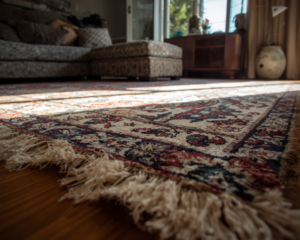
Dust is one of the most common things that accumulates inside a rug.
Household dust can include a mixture of tiny particles from both indoor and outdoor sources. Because the particles are so small, they easily settle between rug fibers rather than remaining on top where they can always be seen.
Everyday movement contributes to the problem.
Someone walks across the rug.
Children play on it.
A dog races from one side of the room to the other.
Furniture shifts slightly.
Each movement can push fine material farther into the pile.
Regular vacuuming is still extremely important. In fact, the EPA recommends frequent vacuuming of carpets and furniture as part of reducing indoor dust buildup. Using a well-functioning vacuum and cleaning often can remove a large portion of loose material before it settles farther down.
However, even a good vacuum has limits.
Thick rugs, dense fibers, fringed edges, and textured construction can hold particles below the surface. If the rug has not received professional rug cleaning for a long time, soil may gradually accumulate where routine vacuuming cannot easily reach.
This deeper buildup is one reason colors can start to look muted.
A rug does not always become noticeably stained. Instead, the entire surface may gradually lose some of its brightness.
The difference can be difficult to notice because it happens slowly.
Families see the rug every day.
A little soil builds up this week.
More collects next month.
A year later, the rug may look noticeably different from the areas protected under furniture.
Professional area rug cleaning helps remove deeper soil and refresh the appearance without depending only on surface vacuuming.
Safe-Dry® provides area and oriental rug cleaning with a process tailored to the type and condition of the rug.
Every trip through the front door can introduce a small amount of outdoor soil into the house.
Shoes carry fine dirt.
Pets bring particles in on their paws.
Children may come inside after playing in the yard.
Even when shoes look clean, tiny pieces of grit can remain on the soles.
Area rugs near entrances, hallways, kitchens, and living rooms often catch much of this material.
At first, that can actually be helpful because the rug prevents some dirt from traveling farther through the home.
The problem starts when that soil remains inside the rug for long periods.
Gritty particles can settle deeper as people walk across the surface.
Eventually, the rug may begin looking darker in high-traffic areas.
You might notice a path developing between the couch and kitchen.
The area near the front door may look duller than the edges.
The section beside a favorite chair may receive more soil than areas nobody walks across.
These patterns are normal signs of use.
They also tell homeowners where routine maintenance deserves extra attention.
Vacuuming high-traffic rug areas more frequently can reduce how much soil becomes embedded.
Entry mats can also help by catching some dirt before it reaches the rug.
Removing shoes indoors is another simple option for households where that routine works.
Professional area rug cleaning becomes valuable when traffic patterns remain visible even after thorough vacuuming.
At that stage, the problem is likely more than loose surface dirt.
Pets and rugs naturally end up together.
Dogs often prefer the softness of an area rug to a hard floor.
Cats may choose the same corner of a rug every afternoon.
Pets roll, sleep, play, and shed on these surfaces.
Visible pet hair is usually the first thing homeowners notice, but it is not the only pet-related material that collects there.
Fine dander can settle among the fibers.
Outdoor dust travels inside on paws and fur.
Natural oils from skin and coats transfer onto frequently used areas.
Small bits of grass or soil may become trapped after outdoor time.
The EPA recommends regular cleaning of carpets, rugs, and fabric-covered furniture as part of reducing the buildup of dust and common biological particles in the home.
Pet-friendly homes may need more frequent vacuuming than homes without animals.
This is especially true during shedding seasons or when pets have a favorite rug.
Vacuuming in multiple directions can help capture hair that has become caught around fibers.
Homeowners should also pay attention underneath rugs.
Hair and dust sometimes work their way through or around the edges and collect beneath the rug, especially on smooth flooring.
Professional area rug cleaning provides a deeper reset when vacuuming no longer leaves the rug feeling fresh.
A visible pet stain is often only the beginning of the problem.
Urine can move below the surface of a rug quickly.
Depending on the rug construction and the size of the accident, moisture may reach the foundation of the rug or the flooring underneath it.
A homeowner may blot the area and successfully remove much of the visible moisture.
Later, however, odor can return.
This is why pet urine removal and pet odor removal require more than simply making the surface look better.
Odor-producing material may remain inside the rug even when the original spot becomes difficult to see.
Repeated accidents create an even larger challenge.
A dog or cat may return to the same area several times.
Each accident adds more contamination.
Eventually, homeowners may notice a persistent smell even when they cannot identify one obvious stain.
Pet urine carpet cleaning and rug cleaning use similar principles in one important respect: the source of the odor needs attention rather than simply being covered with fragrance.
Safe-Dry® offers professional pet stain and odor removal as part of its cleaning services, and rug treatment can be adjusted according to the rug's fiber type and condition.
Pet odor eliminator products sold for home use may help in certain fresh, minor situations when they are appropriate for the rug. However, homeowners should avoid mixing multiple chemicals or heavily soaking the fibers.
Repeated applications can create residue and may not reach contamination that has traveled deeper.
If you are trying to remove pet smell from carpet or a rug and the odor continues returning after the area dries, professional pet accident cleaning may be the better next step.
Living room rugs often double as dining areas whether homeowners intend them to or not.
Children eat snacks while watching television.
Someone carries a plate from the kitchen.
A cracker breaks apart.
Popcorn falls between cushions and onto the rug.
Pets help with some crumbs, but not all of them.
Small food particles can settle into rug fibers before anyone notices.
Dry crumbs may eventually break into even smaller pieces under foot traffic.
Sticky spills create another challenge because surrounding soil can attach to the residue.
A tiny drop of juice or sauce may seem insignificant at first.
Weeks later, the area can appear darker because dust has collected on the sticky spot.
This is why carpet stain removal and rug stain removal are not always about dramatic spills.
Some stains develop gradually from residue that attracts new dirt.
Cleaning fresh spills promptly helps prevent this cycle.
Professional stain removal service may be helpful when home blotting no longer improves the appearance.
Not all rug buildup starts outdoors.
Natural oils can also transfer onto rug fibers.
Bare feet leave small amounts of skin oil behind.
Pets add oils from their coats.
Children may sit or lie on rugs with exposed skin.
Lotions and other personal care products can also transfer to fibers.
The amount may be tiny each time.
Over months of repeated contact, however, buildup can become noticeable.
Oil itself may not look dramatic.
Its bigger effect is that dirt sticks to it.
An oily area can attract dust and darken more quickly than surrounding fibers.
This often happens around couches, beds, and other places where people walk barefoot.
A rug may look particularly dark near a favorite chair simply because feet repeatedly land in the same spot.
Regular vacuuming removes loose dirt, but oils require a deeper cleaning approach.
Area rug cleaning helps address both the visible soil and the material helping that soil stay attached.
Some of the most damaging soil inside a rug may be too small to notice.
Fine grit can settle near the base of the fibers.
As people walk over the rug, that grit moves against the material.
The result can contribute to gradual wear.
This is one reason regular cleaning is also part of protecting the rug's appearance over time.
A rug does not need to look extremely dirty before cleaning becomes worthwhile.
Removing accumulated grit before it becomes severe can support better long-term care.
Homeowners sometimes wait until the rug changes color dramatically.
A more practical approach is to combine regular vacuuming with periodic professional cleaning based on use.
An area rug in a rarely used guest room may need less frequent care than one in a busy family room.
A rug near an exterior door may accumulate grit faster.
A home with several pets may require another schedule entirely.
There is no single cleaning frequency that fits every household.
Opening doors and windows allows fresh air into a home, but outdoor particles may come along with it.
Pollen, fine dust, and other airborne material can eventually settle onto floors and rugs.
People and pets also carry outdoor particles inside.
Once these particles reach rug fibers, foot traffic can work them deeper.
The EPA notes that frequent cleaning can help reduce indoor dust and common allergens such as animal dander, and it specifically recommends regular vacuuming of carpets and furniture.
Area rug cleaning should not be described as a medical treatment, and professional cleaning cannot create an allergen-free home.
However, removing accumulated dust, pet material, and everyday soil is a sensible part of maintaining a cleaner living environment.
This is especially relevant for rugs in bedrooms, family rooms, and children's play areas where people spend a lot of time close to the floor.
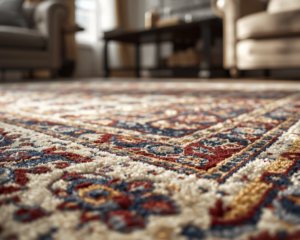
Dry soil is not the only thing homeowners need to watch.
Moisture changes the situation.
A spilled drink, pet accident, plumbing leak, wet pet, or damp shoe can introduce water into the rug.
If the area dries quickly, the problem may remain minor.
If moisture stays trapped, the rug can develop unpleasant odors or other damage.
The EPA emphasizes that damp materials should be dried thoroughly and that keeping flooring clean and dry is important for indoor environmental maintenance.
Homeowners should avoid covering a wet area with furniture or another rug.
Airflow matters.
A small fan may help dry a minor damp area.
Larger water problems require more caution.
A rug affected by flooding, contaminated water, or prolonged moisture needs professional evaluation rather than ordinary DIY cleaning.
Area rug cleaning is intended for normal household soil and appropriate stains, not as a substitute for water-damage remediation.
A rug does not need a dramatic pet accident to develop an odor.
Everyday buildup can gradually change how it smells.
Dust collects.
Pets lie on it.
Food particles settle.
Body oils accumulate.
Minor spills happen.
When all of this material remains inside the fibers for long periods, a rug may begin smelling less fresh.
Homeowners sometimes notice the odor after returning from vacation because they have temporarily become less accustomed to the normal smell of the house.
Guests may notice it sooner.
Carpet deodorizing sprays can add fragrance, but fragrance does not replace cleaning.
A better approach is to remove the buildup contributing to the odor.
Professional rug cleaning can help refresh the surface without relying only on scented products.
For specific pet contamination, pet stain and odor removal may also be needed.
The rug is not the only surface worth checking.
Rug pads can collect dust and fine particles underneath.
Some debris works through the rug.
Other material enters around the edges.
When homeowners lift an older area rug, they may discover a surprising amount of fine dust underneath.
This does not necessarily mean the rug is defective.
Floor coverings naturally collect particles over time.
Vacuuming beneath the rug periodically can help.
The frequency depends on the size of the rug and how easy it is to move safely.
Large furniture should never be shifted carelessly just to vacuum under a heavy rug.
Homeowners should also inspect the rug pad for deterioration.
Old pads may break down and leave material on the floor.
If a pad feels brittle, sticky, crumbling, or uneven, replacement may be appropriate.
Professional carpet cleaners can help homeowners understand whether the visible concern is primarily the rug, the pad, or both.
Not every rug should be treated like ordinary wall-to-wall carpet.
Construction matters.
Fiber content matters.
Dye stability matters.
Age and condition matter.
A durable synthetic area rug can respond differently from wool, cotton, silk, or a hand-knotted oriental rug.
This is one reason oriental rug cleaning requires thoughtful evaluation.
The safest cleaning method depends on the specific piece.
Homeowners should be careful with universal DIY advice that treats every rug the same way.
A cleaning technique that works well on one inexpensive synthetic rug may not be appropriate for an older or more delicate rug.
Professional area rug cleaning begins with understanding the rug before deciding how to clean it.
Safe-Dry® describes its rug cleaning approach as tailored to the rug's material and provides in-home cleaning for area and oriental rugs.
Professional cleaning works best when it supports good routine maintenance rather than replacing it.
Vacuuming is the most important day-to-day habit for many rugs.
Loose soil is easier to remove before it gets driven deeper.
High-traffic rugs may need vacuuming several times per week.
Lower-use areas may need less.
Pet owners should adjust based on shedding and activity.
Use a vacuum setting appropriate for the rug.
Some delicate rugs or fringed edges may require special care.
Avoid allowing rotating brushes to catch fringe.
If you are unsure whether a beater bar is appropriate, check the rug manufacturer's recommendations.
Vacuum slowly enough to allow suction to work.
Racing across the rug may pick up surface debris while leaving more material behind.
Changing direction can also help loosen soil from different sides of the pile.
Good routine maintenance does not eliminate the need for deep cleaning services, but it can reduce how quickly heavy buildup develops.
Instead of deciding that every rug should be vacuumed once per week, look at how the space is used.
A rug in a busy living room may need more frequent attention.
A rug in a quiet bedroom may stay cleaner longer.
Pet areas also need additional vacuuming.
Pay particular attention to paths people use repeatedly.
These sections usually collect the most soil.
If the rug's construction and room layout allow it, rotating the rug periodically can distribute traffic and sunlight exposure more evenly.
One end of a rug often receives more foot traffic than the other.
Rotation helps prevent one section from taking all the wear.
Heavy rugs should be moved carefully.
Ask for help rather than risking injury or dragging heavy furniture across flooring.
Fresh spills are usually easier to manage than dried ones.
Blot with a clean, absorbent cloth.
Avoid aggressive rubbing.
Scrubbing can spread the spill and change the texture of some rug fibers.
Work carefully and follow any manufacturer care instructions for the rug.
Entry mats help capture dirt before it reaches the area rug.
Removing shoes can reduce tracked-in soil even further when it fits your household routine.
Pet owners can keep a towel near the door for muddy paws.
These simple habits reduce the amount of material that professional rug cleaning eventually needs to remove.
Dust can collect beneath rugs and rug pads.
When the rug is small enough to move safely, lift it periodically and vacuum the underlying floor.
Check the pad while you are there.
Look for wear, crumbling, moisture, or anything else unusual.
Large amounts of water can spread a stain and increase drying time.
Use moisture cautiously during home spot cleaning.
Blot rather than flood.
If a stain keeps returning, adding more liquid may not solve the problem.
Do not assume every carpet cleaner is appropriate for every rug.
Read product directions.
Test a small hidden area first when the manufacturer allows spot cleaning.
Never mix cleaning chemicals.
When the rug is valuable, delicate, handmade, or unfamiliar, professional advice is often the safer option.
If an odor disappears while the rug is damp but returns after drying, the source may remain deeper.
This is especially common with pet accidents.
Repeated applications of fragrance are unlikely to provide true odor elimination.
Professional pet odor removal may be needed.
Look at the rug in natural daylight from different angles.
Dark traffic paths, matted fibers, or dull areas can indicate embedded soil.
If vacuuming no longer improves the appearance, professional area rug cleaning may be appropriate.
Waiting for severe discoloration is not necessary.
Professional cleaning can be part of routine rug care.
Cleaning before buildup becomes excessive may make maintenance easier and help preserve the rug's appearance.
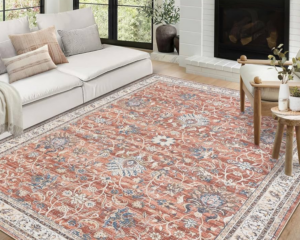
Rug cleaning and professional carpet cleaning overlap, but they are not always the same service.
Installed carpet stays attached to the floor.
Area rugs can have unique backing, fringe, woven structures, dyes, and materials.
A carpet cleaning service designed for installed carpet may need adjustments before working on a separate rug.
Professional carpet cleaners should evaluate the rug instead of assuming the same process works everywhere.
This distinction matters even when homeowners search for terms such as carpet cleaning near you, carpet cleaners near you, or a carpet cleaner near you.
The closest company is not automatically the right fit unless it also understands rug care.
Families looking for carpet cleaning in Lytle or carpet cleaning in Lytle, Texas may also have several area rugs throughout the home.
Safe-Dry of Lytle provides cleaning services for multiple soft surfaces, including carpets and rugs, which makes it easier to discuss the condition of both during an appointment. The local Safe-Dry® Lytle page lists carpet and rug cleaning among the available home services.
Area rugs often sit directly on top of carpet or beside carpeted rooms.
This creates an opportunity to consider the overall flooring condition instead of treating each surface separately.
A living room rug may look dirty because it receives heavy use, while the surrounding carpet shows similar traffic buildup.
Pet accidents may affect both surfaces.
A dog may have one accident on the rug and another in the hallway.
Homeowners may also notice similar odors throughout several rooms.
Professional carpet cleaning and area rug cleaning can address different parts of the same household maintenance problem.
If you are already considering a carpet cleaning service, it can be helpful to point out rugs, pet stains, and upholstery concerns during the initial walkthrough.
Safe-Dry® lists carpet cleaning, rug cleaning, upholstery cleaning, and pet odor and stain removal among its available services.
Pet stains deserve their own attention because they often involve both appearance and odor.
Dog urine removal and cat urine removal can be challenging when moisture penetrates deep into rug construction.
Surface blotting is useful for a fresh accident, but recurring smell may mean the source remains deeper.
Pet stain removal should focus on the affected material without unnecessarily soaking the entire rug.
Professional pet stain and odor removal is especially worth considering when multiple accidents have happened in the same area.
Homeowners sometimes try one pet odor eliminator after another.
Each product may add fragrance or cleaning residue without solving the underlying issue.
A professional evaluation can help determine whether the rug is a good candidate for treatment and what cleaning approach makes sense.
Safe-Dry® notes that pet stain treatment for rugs is adjusted based on the rug's fiber type.
Homeowners understandably want to know what professional cleaning will cost.
However, rug and carpet cleaning prices can vary because not every job involves the same amount of work.
Size matters.
Material matters.
Soil level matters.
Pet contamination may require additional treatment.
A lightly used synthetic rug is different from a large oriental rug with heavy soil and pet accidents.
Instead of focusing only on cheap carpet cleaning, it is more useful to compare what is included in the service and whether the cleaning method fits the surface.
Affordable carpet cleaning should still provide professional care.
A very low advertised price may not tell you what additional treatments cost or whether rug cleaning is included.
When requesting a carpet cleaning estimate or free carpet cleaning quote, explain the condition of the rugs and any pet concerns.
This gives the cleaning company better information.
Safe-Dry® states that its technicians assess rug size, material, and condition before providing a firm price for in-home rug cleaning.
Current carpet cleaning deals, carpet cleaning specials, or carpet cleaning coupons may also vary. Homeowners interested in current offers can review Safe-Dry®'s cleaning services and available promotions before scheduling.
Searching for the best carpet cleaning or top rated carpet cleaning company can produce plenty of choices.
Instead of focusing only on labels, look closely at the cleaning approach.
Ask whether the company cleans area rugs.
Ask how rugs are evaluated.
Ask about drying time.
Ask whether products leave soap residue.
Mention pets and stains before the cleaning begins.
Professional service should also include clear communication about the condition of the rug and expected results.
A certified carpet cleaning or insured carpet cleaning company may provide additional peace of mind depending on the provider and service being requested.
Families interested in eco friendly carpet cleaning should also ask what that term means for the specific company because marketing language can vary.
Safe-Dry® describes its cleaning mission as safe, hypoallergenic, and soap-free, and the Lytle location offers rug and carpet services for local households.
For homeowners specifically looking for Lytle carpet cleaning, Safe-Dry of Lytle, Texas provides local service in and around the 78052 area.
Some rug cleaning can be scheduled as routine maintenance.
Other situations feel more urgent.
A fresh pet accident before guests arrive may create a need for same day carpet cleaning or rug cleaning when appointments are available.
A large spill may also motivate homeowners to call quickly.
However, emergency carpet cleaning should not be confused with water-damage restoration.
Flooding, sewage, or significant water intrusion requires specialized remediation.
For ordinary household spills, pet accidents, and heavily soiled surfaces, contacting a professional promptly can help you understand the safest next step.
Safe-Dry®'s Lytle location currently advertises same-day service availability, although appointment availability can change.
Rugs are not the only soft surfaces collecting particles in the room.
Couches and chairs experience similar exposure.
Dust settles on fabric.
Pets leave hair and dander behind.
Body oils transfer to armrests.
Food crumbs disappear between cushions.
If a rug looks dull from years of daily activity, nearby furniture may be experiencing the same thing.
Upholstery cleaning can complement rug cleaning when homeowners are trying to refresh an entire living area.
You do not always need to clean everything at once.
However, noticing how different soft surfaces are used can help you create a more complete home maintenance plan.
Deep cleaning services are most useful when they support regular maintenance.
Professional cleaning should not replace vacuuming.
Vacuuming should not be expected to replace professional cleaning indefinitely.
Each serves a different purpose.
Home maintenance removes loose soil before it becomes heavily embedded.
Professional area rug cleaning targets deeper buildup that remains after routine care.
This balance is easier and more practical than waiting until a rug appears severely dirty.
It also fits a family-first approach to home care.
A healthy home does not need to be perfect.
It needs routines that make sense for the people and pets living there.
Regular vacuuming, fast response to spills, moisture control, and periodic professional cleaning can all work together.
Frequency depends on use.
High-traffic rugs and rugs used by pets may need vacuuming several times each week.
Low-traffic rugs may need less frequent attention.
The EPA recommends regular vacuuming of carpets and fabric-covered furniture to help control indoor dust buildup.
Look for dull color, visible traffic paths, recurring odors, stains that do not improve with appropriate spot care, or a rug that still feels dusty after vacuuming.
Professional cleaning can also be useful as periodic maintenance before a rug becomes heavily soiled.
Vacuuming removes a great deal of loose soil, especially when done regularly and correctly.
However, fine grit, oils, sticky residue, and deeper embedded material may remain.
Professional area rug cleaning provides a deeper level of care.
Professional cleaning can help address pet stains and odors, but results depend on the rug's construction, the amount of contamination, how long the accident remained, and whether repeated accidents occurred.
Safe-Dry® adjusts pet stain treatment according to the rug's fiber type.
Not exactly.
Area rugs can have different fibers, backing, dyes, fringe, and construction from installed carpet.
A professional should evaluate the individual rug before deciding how to clean it.
Not every rug is suitable for a household carpet cleaning machine.
Excess moisture, aggressive brushing, or incompatible cleaning products may damage certain materials.
Check manufacturer care instructions first.
Valuable, delicate, antique, or unfamiliar rugs are better evaluated by a professional.
Odor may come from pet contamination, food residue, moisture, body oils, or other material that has settled below the visible surface.
Cleaning the source is generally more useful than simply adding fragrance.
Repeated foot traffic can push soil deeper into the pile.
Body oils, sticky residue, and outdoor dirt can also cause certain areas to attract more soil.
Regular vacuuming and periodic professional cleaning can help.
Professional cleaning can remove accumulated dust and other particles, but it should not be described as a medical treatment or a guarantee against allergies.
The EPA recommends regular cleaning and vacuuming as part of controlling dust and common indoor allergens.
Drying time depends on the rug, cleaning method, indoor conditions, and moisture used.
Safe-Dry® states that its in-home low-moisture rug cleaning process typically dries in about an hour.
Blot as much moisture as possible with clean absorbent towels.
Avoid aggressive scrubbing and unnecessary saturation.
Follow the rug manufacturer's care instructions.
If odor or staining remains after drying, professional pet stain removal may be appropriate.
Yes, when the rug can be moved safely.
Dust and debris can collect underneath the rug and pad.
Vacuum or clean the underlying floor according to the flooring manufacturer's instructions before replacing the rug.
Rug maintenance does not need to become complicated.
A few consistent habits can accomplish a lot.
Vacuum based on household traffic.
Pay more attention to entrances and pet areas.
Blot spills quickly.
Avoid soaking the rug.
Keep outdoor dirt near the door with mats.
Clean underneath rugs periodically.
Watch for odors or spots that keep returning.
Schedule professional cleaning when routine care no longer restores the look and freshness you expect.
Families with pets can add regular pet blanket washing and paw wiping to the routine.
Households with children may need to focus more on food spills and high-use play areas.
Every home is different.
The best routine is one you can realistically maintain.
An area rug can hide a surprising amount of everyday life.
Dust settles into it.
Outdoor soil gets tracked across it.
Pets leave hair, dander, oils, and occasional accidents.
Food crumbs disappear between fibers.
Small spills leave residue.
Fine grit slowly works its way deeper under repeated foot traffic.
None of this means the rug is beyond saving.
It simply means vacuuming cannot always do everything.
Professional area rug cleaning provides a deeper level of care when regular home maintenance stops delivering the results you want.
For families throughout Lytle, Texas, 78052, Safe-Dry® offers local cleaning services for area rugs, carpets, upholstery, and pet-related stains and odors. Our goal is to help homeowners care for the surfaces their families use every day without turning cleaning into a complicated project.
If your rug looks dull, smells less fresh, holds a stubborn pet stain, or simply has not been deeply cleaned in a long time, it may be ready for professional attention.
You can learn more about Safe-Dry® area rug cleaning or connect directly with Safe-Dry of Lytle, Texas to discuss your rug, request a quote, and find a cleaning option that fits your home.
A cleaner rug can make the entire room feel fresher.
More importantly, regular care helps remove the everyday buildup hiding below the surface, giving your family a cleaner, more comfortable place to walk, play, relax, and enjoy home.